

IT’S ALL OKAY UNTIL IT’S NOT:
WHY HEAT SAFETY CAN’T WAIT
Where’s all my Gen X’ers at? Let’s take a trip back in time and who remembers popular song “The Heat Is On, by Glenn Fry. This hit peaking at number 2 on the US Billboard Hot 100 in March of 1985. I am sure many of you just took a mental flashback, that is okay, so did I.
As the construction industry is quickly approaching the long days of summer, let’s pause and grab a big, tall ice cold glass of Southern Sweet tea and think about worker safety during these hot and humid days. July 2, 2024, OSHA formally introduced its first-ever proposed national heat standard called ‘Heat Injury and Illness Prevention in Outdoor and Indoor Work Settings’.
When this information went public, as one would expect it generated quite a whirlwind of concerns and apprehensions within our industry.
We are now in year number two of this standard and if you were not aware, OSHA has recently extended its efforts with an announcement on April 10, 2026 that the National Emphasis Program will remain in effect.
What does this mean for you if you are an employer, and conversely, what does it mean for you as an employee?
We must start at the beginning and ask the question; do you have a written company Heat Standard Plan for your company?
If so, GREAT!
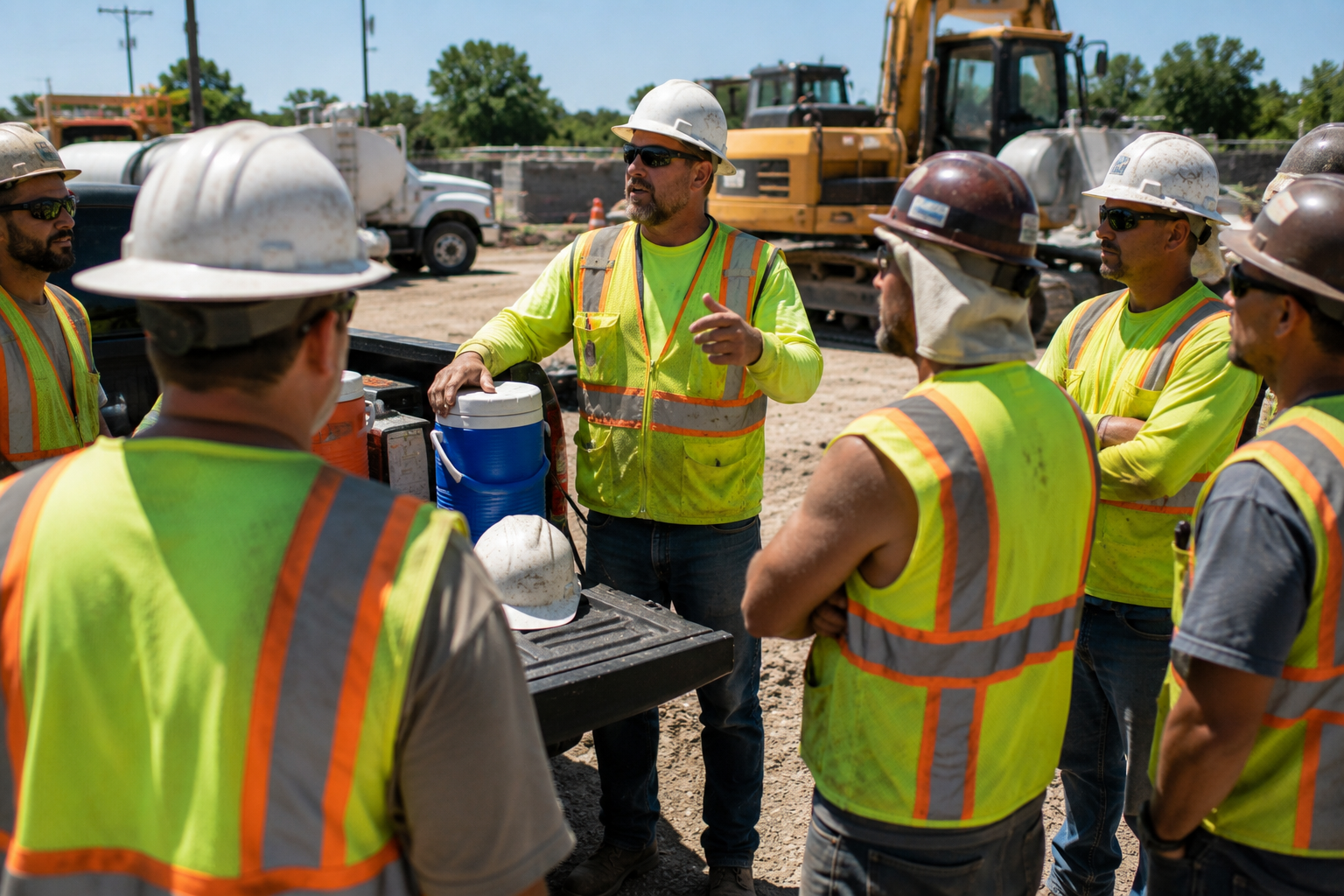
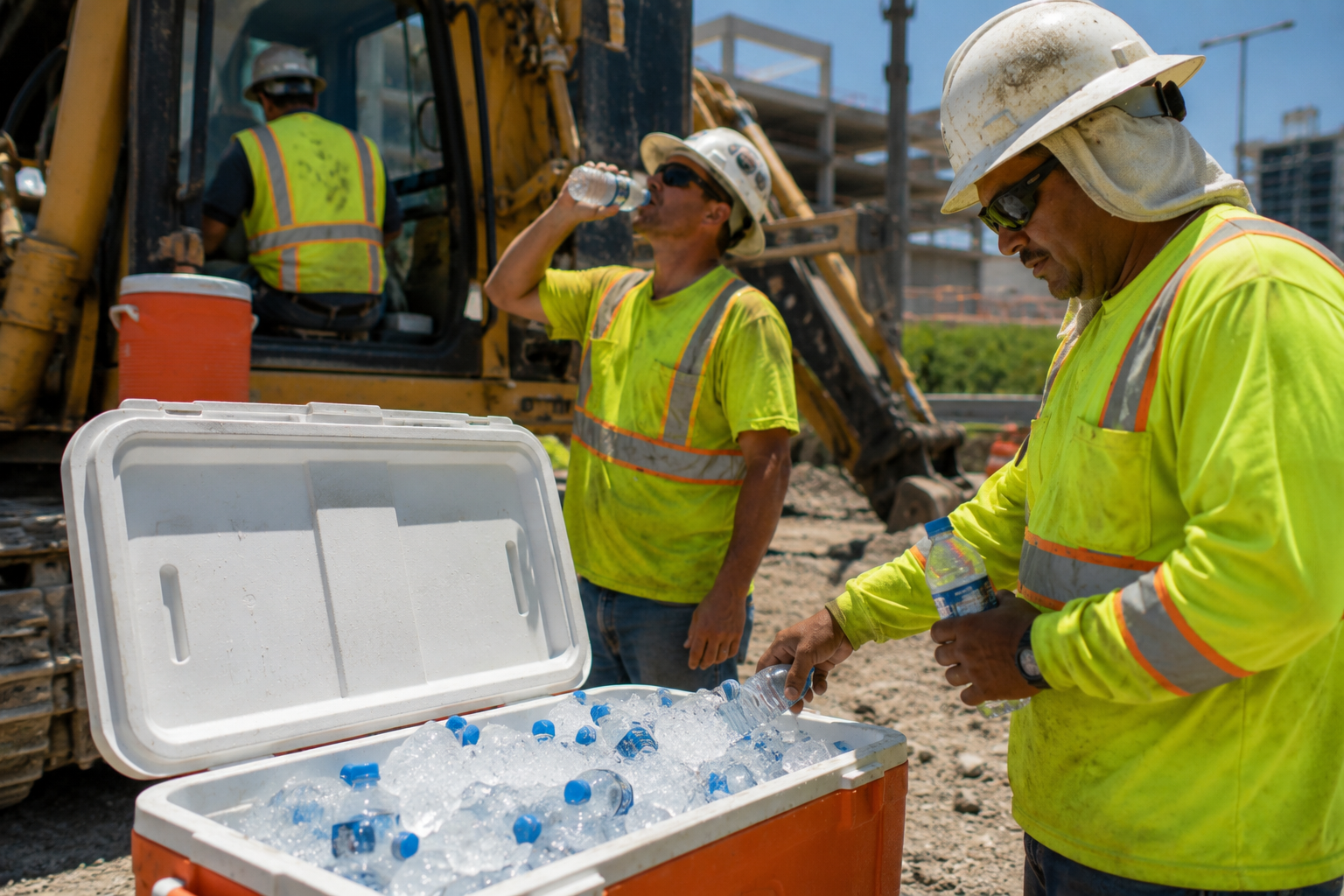
If you answered no, then this is where you must begin, because at any given time, OSHA may ask to see your written company Heat Awareness and Training Program.
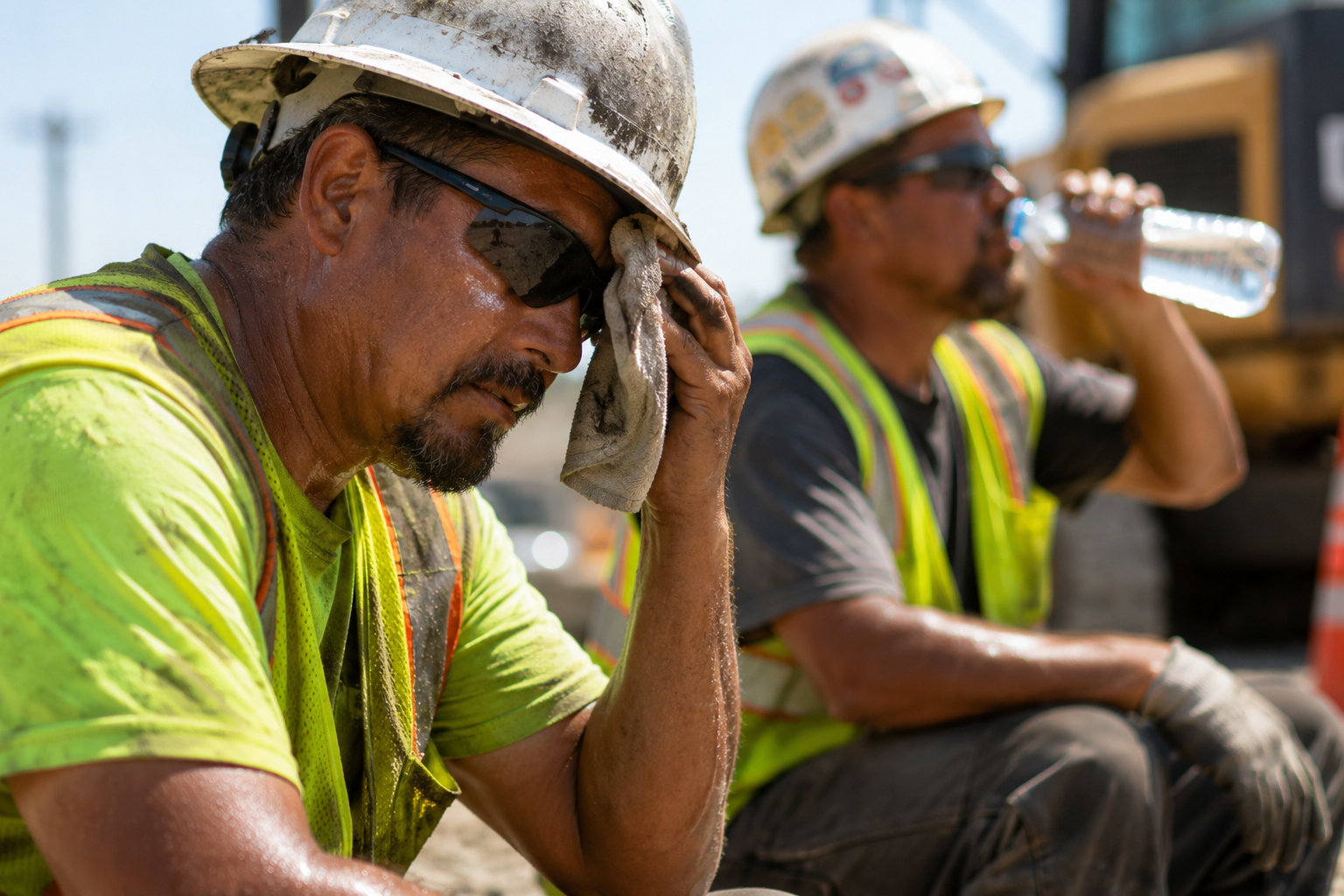
How did we get here? Good question!
The simple answer is that this is a data driven standard, recognizing the physical and mental stress heat plays on workers who are building our homes, businesses, highways and our infrastructure in hot temperatures.
So, what does OSHA consider hot?
80°F is the Initial Heat Trigger.
This applies when employees are exposed to an 80°F heat index for over 15 minutes in any hour.
When the temperature climbs to 90°F, OSHA calls this High Heat Climate which requires a minimum of a 15-minute paid rest break every two hours.
It would be much too lengthy to discuss the pros and cons on both sides of the isle of this topic; therefore, I would like to focus my attention on this article the “Total Worker’s Safety”.
At the end of the day, it does come down to keeping our valued employee safe, which goes beyond any regulation or standard. We have a moral obligation beyond the General Duty Act to keep our workforce safe and healthy.
Heat stress and Heat Illnesses are not the same for all workers. People respond differently when working in hot environments. This is why training is not only important, but also imperative.
This is probably the most ambiguous element of the five I will discuss.
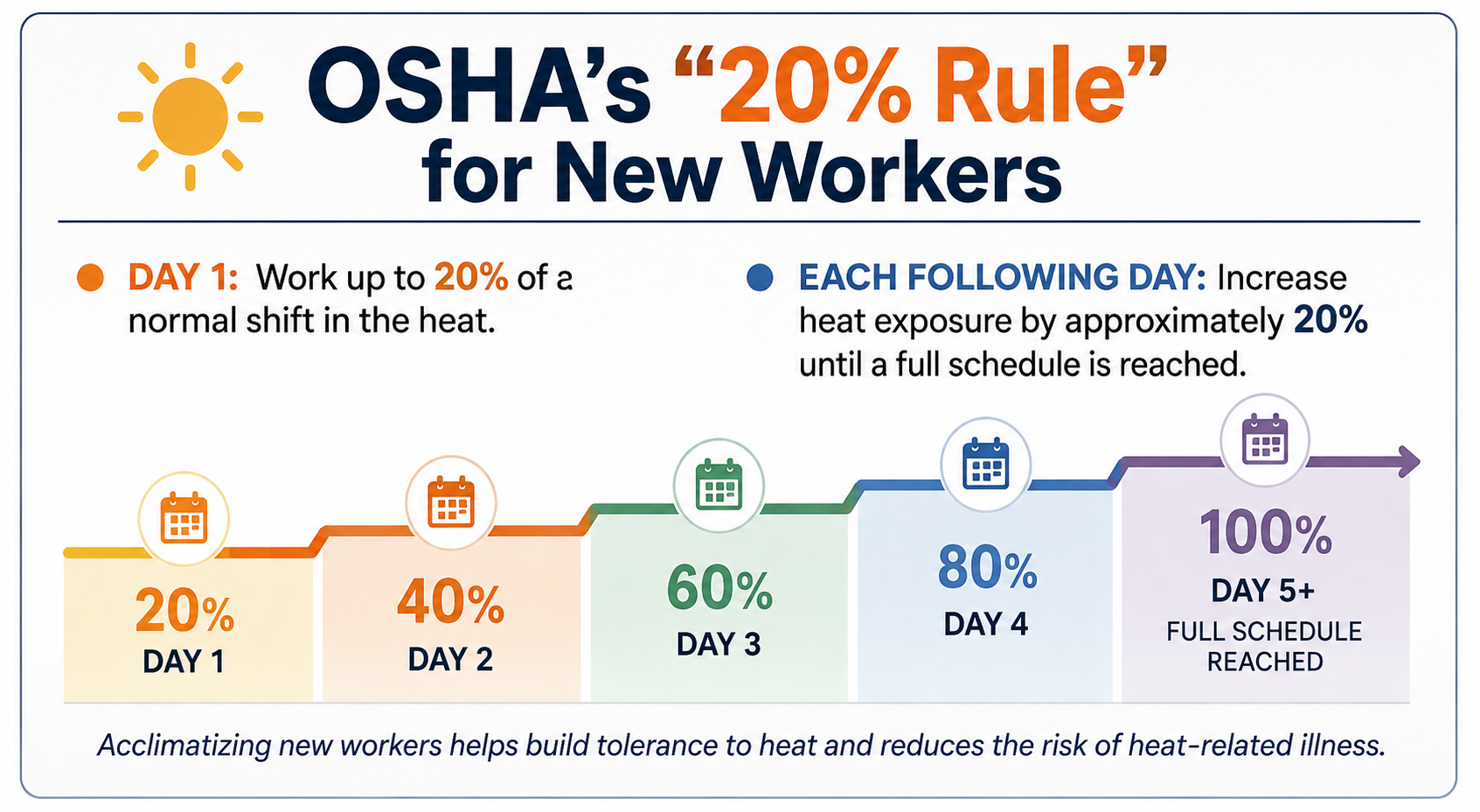
OSHA uses the 20% Rule for new workers. A new worker whose body is not acclimated to hot temperatures should only work no more than 20% of the normal workday.
Subsequently workdays thereafter, another 20% can be added to the worker’s daily shift and so forth.
IN CONCLUSION
I start many of my safety training classes with the saying,
“It’s All Okay, Until It’s Not.”
This is such a prolific statement.
None of this will come into question until an employee becomes ill or worse yet, the illness turns fatal.
This conversation applies to all, but we need to pay close attention to our aging workforce. They are the ones who are more receptive to these kinds of illnesses as heat related illnesses can be best described as the chameleon.
Heat stress will sneak up on you before you realize it and then it could be too late. Because the rule is still in the rulemaking phase, OSHA will rely on the National Empasis Program to conduct inspections and cite employers under the General Duty Clause.
Quick Summary of what OSHA has proposed under this Ruling:
Have a written Heat Related Illness and Prevention Program that outlines the following elements:
1). Training for all employees on the signs and symptoms of heat-related emergencies and illnesses and the
temporary care to be given.
2). The Acclimation Period.
3). The Unlimited Supply of Cold Water.
4). A place of shade.
5). A cooling station.
“It’s All Okay, Until It’s Not”
This article was written by:

Greg First
Safety Director
Conie Construction Company
1340 Windsor Ave.
Columbus, Ohio 43211
Think Safety First, LLC