
The Risk We No Longer See
A firefighter’s perspective on natural gas, excavation damage,and preparedness
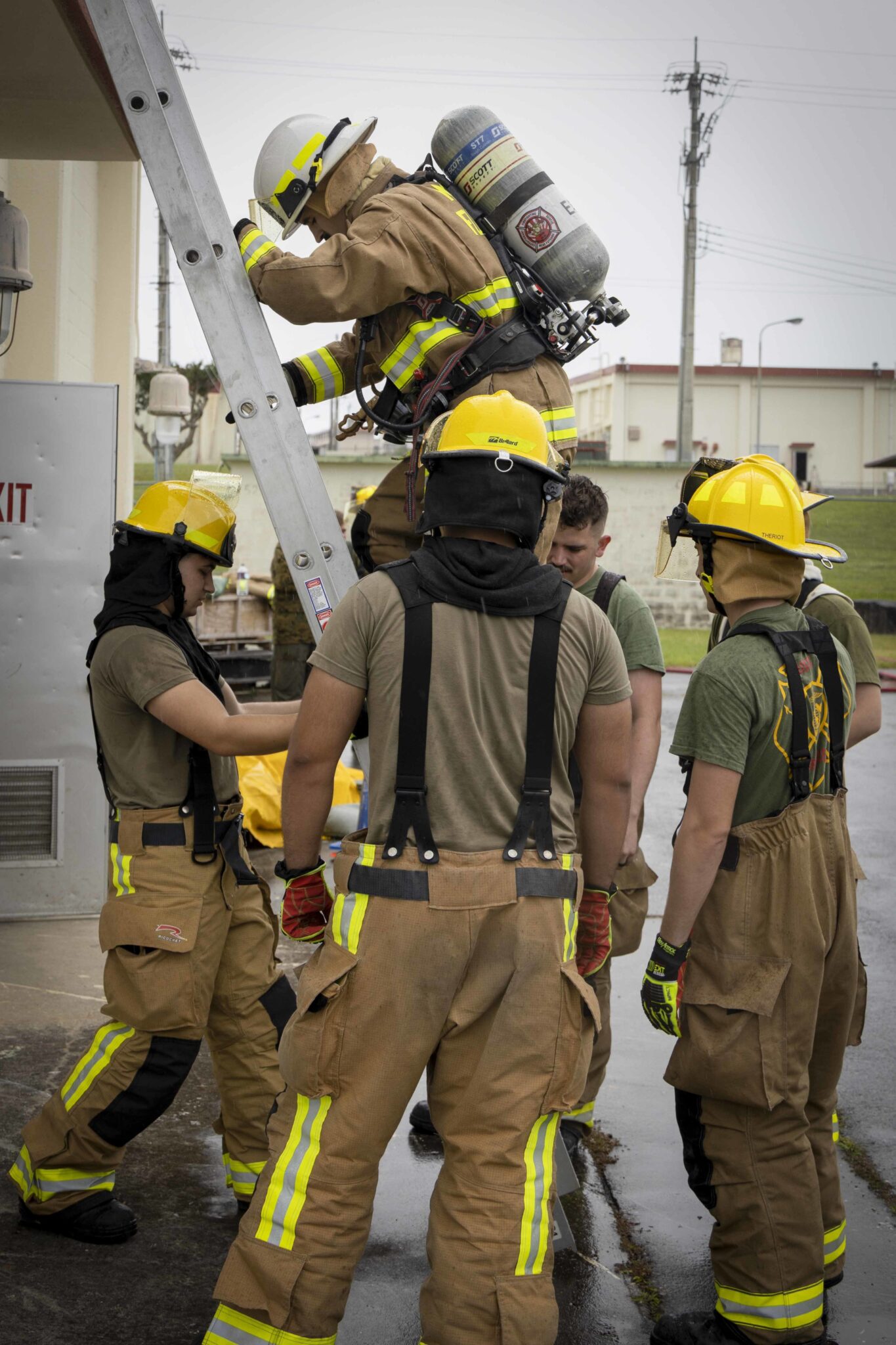
I was 18 years old when I joined the military as a firefighter. Like many young firefighters, I spent countless hours preparing for emergencies that I might never encounter. We trained on hazardous materials, practiced emergency response procedures, and studied hazards capable of producing serious consequences. The expectation was clear: even if an event was unlikely, we needed to be ready when it occurred.
Natural gas emergencies were part of that training, but they rarely occupied much of my attention. There were more common incidents competing for our time, and significant gas-related emergencies did not happen often. I understood that natural gas could be dangerous, but I did not yet fully appreciate the importance of preparing for a hazard that was present around us every day.
Later, I entered the construction industry and became a project manager for an excavation contractor. My perspective changed, but natural gas infrastructure remained part of the background. Gas lines were among the underground facilities that had to be identified, located, and protected before work began. They were present on project after project, and that familiarity could make working around them feel routine. When we encounter something every day without an incident, it is easy to interpret the absence of consequences as the absence of risk.
Today, I work in the natural gas industry, focusing on public awareness and damage prevention. Looking back at those three roles, I recognize that each taught me something different. The fire service taught me to prepare for low-frequency, high-consequence events. Excavation taught me how easily a familiar hazard can blend into the job. The utility industry has shown me the extraordinary amount of planning, training, maintenance, coordination, and prevention that makes natural gas service safe and reliable.
THE RISK HAS NOT DISAPPEARED.
OUR AWARENESS OF IT HAS.
That work has been remarkably successful, but its success creates a challenge of its own. Natural gas infrastructure is so reliable and so deeply integrated into our communities that many of us no longer actively notice it.
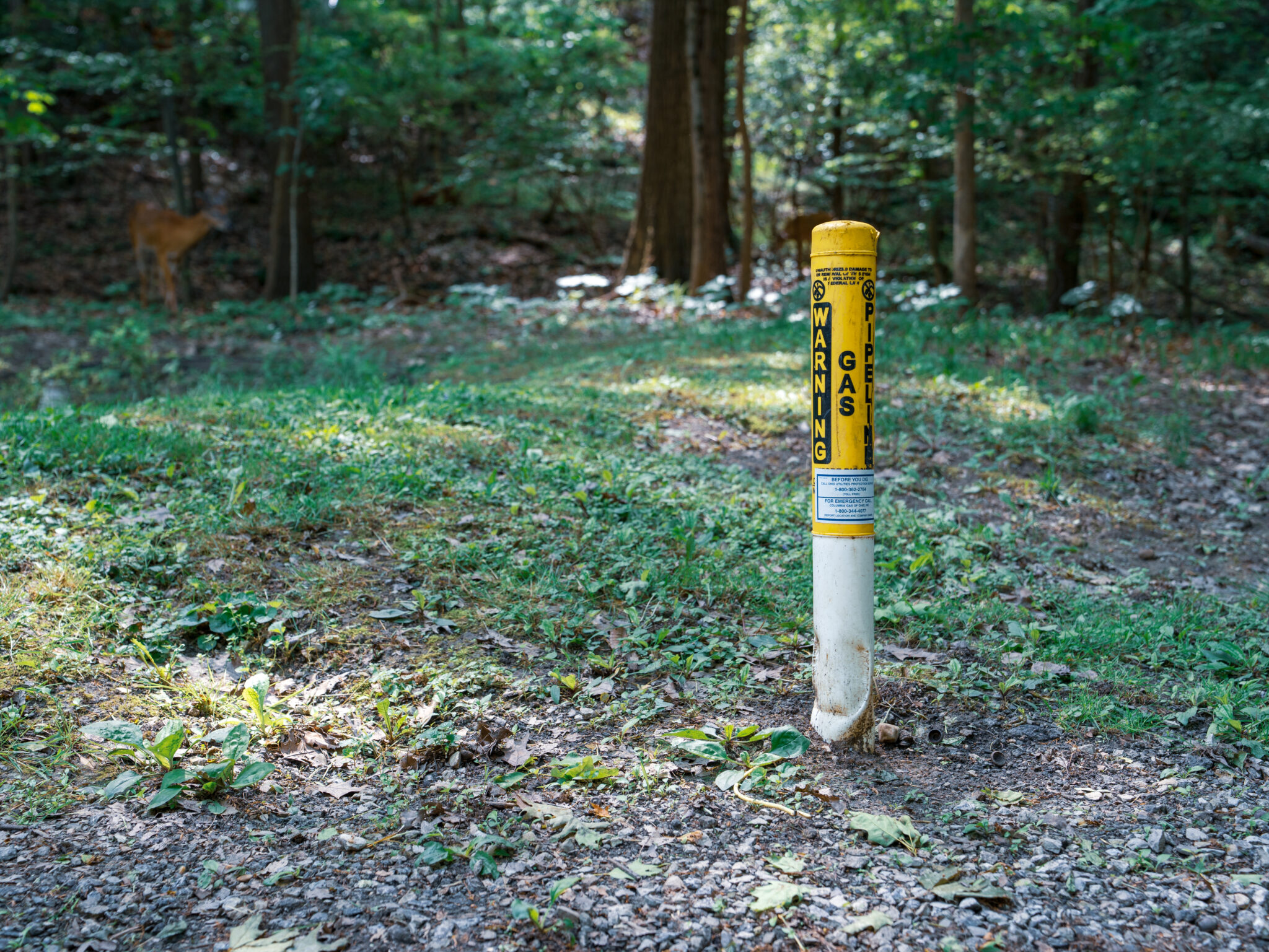
Consider a typical day. Whether you’re traveling to work, responding to an emergency, managing a project, operating equipment, or simply going about your routine, you may encounter pipeline markers, gas meters, utility locate markings, excavation activity, or directional boring operations near active facilities. These signs of critical infrastructure are present in communities across the country. Yet through daily exposure, what was once noticeable often becomes part of the backgro
The hazard has not disappeared. Our awareness of it has.
That raises an important question for organizations, responders, contractors, and facility operators alike:
The purpose of these questions is not to create fear. Natural gas is a safe and reliable energy source, and the organizations responsible for operating and maintaining these systems work every day to keep it that way. The purpose is to challenge the complacency that can develop when a system works so well that we begin taking its safety for granted.
If you found yourself unable to answer some of the questions posed in this article, my call to action is simple: don’t let those gaps remain unanswered. Whether you’re an excavator, utility operator, emergency responder, contractor, engineer, municipal official, or industry partner, take the initiative to strengthen the relationships and understandings that support safe excavation and emergency response. Invite others to a safety meeting, project briefing, training event, or emergency preparedness exercise. Exchange contact information. Review procedures and expectations. Ask questions. Learn what resources are available before they are needed. The conversations you have today may make all the difference when the unexpected happens tomorrow.
Throughout my career, I have learned that strong relationships and open communication often do more to improve safety than any piece of equipment or procedure. The best emergency response plans are built long before anyone picks up a radio, starts an excavator, or smells gas.
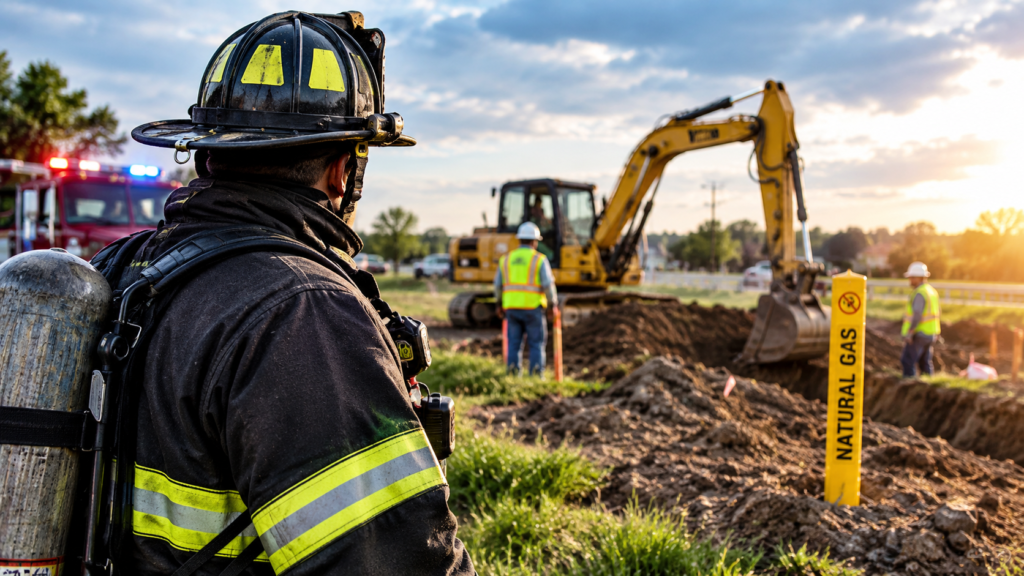
Natural gas infrastructure is all around us. We rely on it every day in our homes, schools, hospitals, and businesses. The goal is not to fear it. The goal is to recognize it, understand it, and be prepared when something goes wrong.
Because the greatest risks are often the ones we have become so accustomed to seeing that we stop seeing them altogether.
RESOURCES
This article was written by:
Nicholas Murdock, MBA, PMP, PMI-CP
Public Awareness Program Manager | NiSource
nmurdock@nisource.com