Why a Strong Safety Culture Matters in Work Zones
When people talk about work zone safety, they often go straight to the setup.
Are the signs in the right place? Are the cones spaced correctly? Is the flagger visible? Is the buffer clear? Did the crew follow the traffic control plan?
But the setup is only part of the story. What really determines whether a work zone stays safe is how people behave once the job starts—because work zones change.
Traffic changes. Weather changes. Drivers do unexpected things. Equipment moves. Crews shift from one task to another. A utility mark may need to be rechecked. A pedestrian route may need to be adjusted. A truck may show up at the wrong time and block the wrong space. And that is where safety culture shows up.
Safety culture is what happens when someone in the field sees something that does not look right and feels responsible for saying so, when a supervisor stops the job to reset the setup instead of pushing through, or when a crew understands that keeping the work zone safe is part of the work and not something separate from it.
The plan matters (but the field still has a vote)
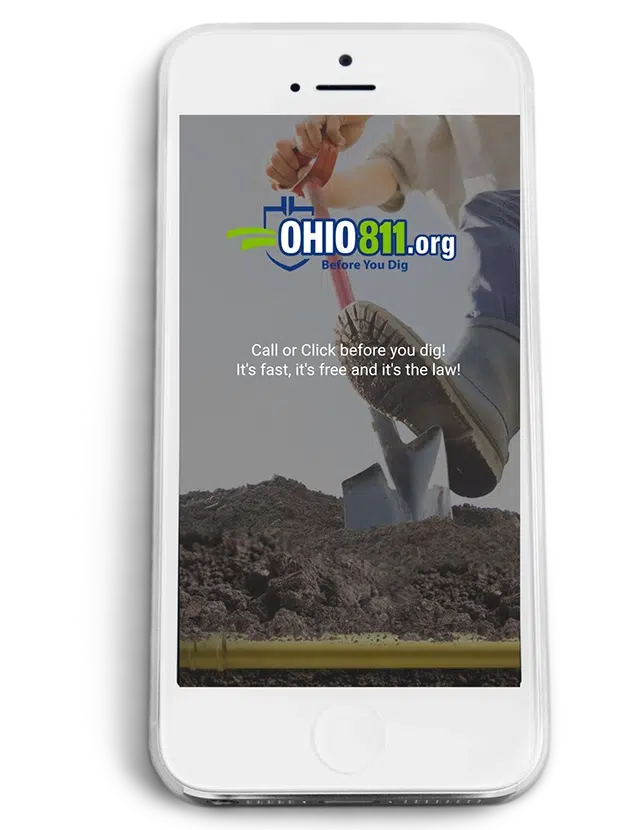
A traffic control plan gives the crew a starting point. So do 811 processes as well as utility markings, pre-job briefings and excavation best practices—but field conditions do not always match the paper.
The shoulder may be tighter than expected, a lane shift may create more driver confusion than expected, a piece of equipment may need to be staged somewhere different, or traffic may start queuing earlier than anticipated. A strong safety culture gives crews permission to respond to those realities.
In a strong safety culture, workers know:
AWP_1
Excavators, utility owners, locators, municipalities, contractors and traffic control partners all depend on the same thing: people making good decisions before the work begins and while conditions are changing around them.
Serious incidents often start with a few small misses that stack up, such as when a worker notices a concern but does not voice it, a locator needs access but the field crew is unclear on the timing, or a driver is confused by the pattern and reacts late. Those are the moments safety culture is supposed to catch.
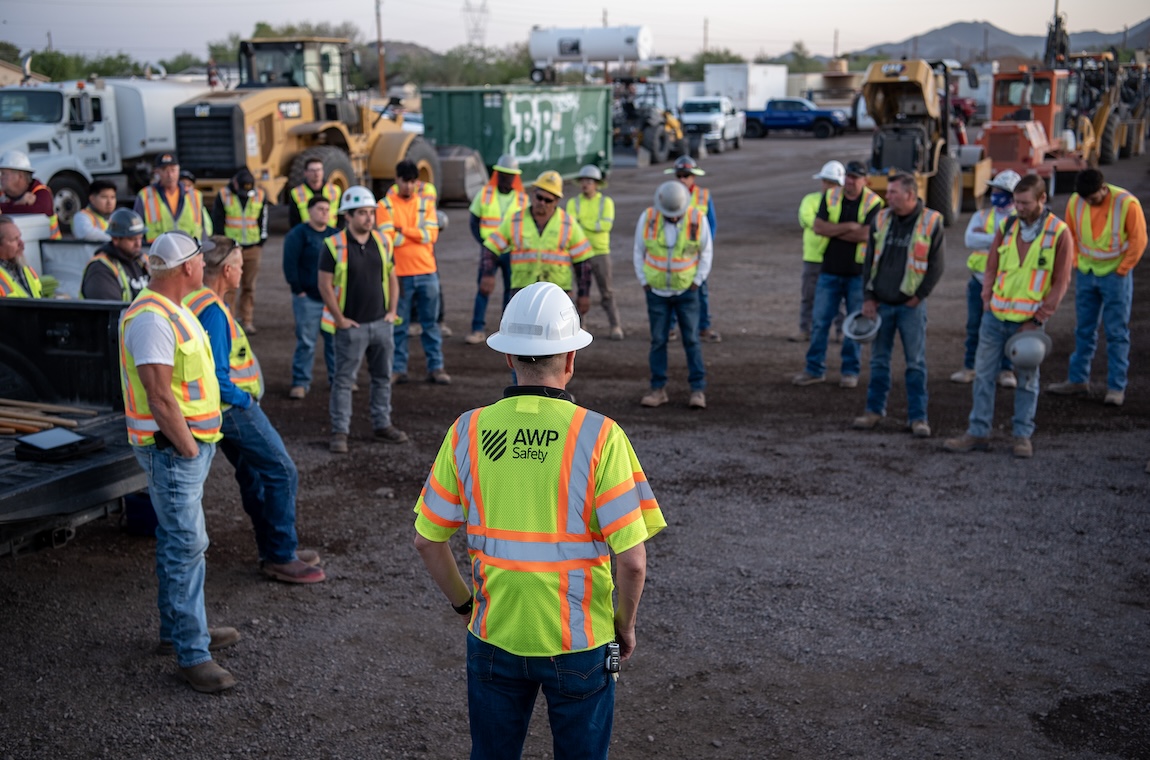
That makes the pre-job briefing one of the simplest, most effective tools we have, but only if it is treated like a real conversation. Before each shift, crews need to talk through the hours ahead in plain terms. What is different about this job today? Where will traffic be closest to workers? Where will equipment move? Where are the underground facilities? Who needs to communicate with whom? What changes would cause us to stop and reset?
That conversation is also where leadership speaks the loudest.
LEADERS SET THE TONE BEFORE THE FIRST CONE GOES DOWN
If the only message is “get it done,” crews will feel that pressure. If near misses are brushed aside, people may stop reporting them. Or a worker gets criticized for stopping work, and so the next worker stays quiet. But if leaders ask good questions, support field judgment and act on concerns, crews learn that safety is real.
A strong supervisor is not just asking if the crew has enough people and equipment but also whether the setup makes sense for the field conditions, where workers will be most exposed, how traffic will move, how the crew will communicate and what will happen if something changes. At the same time, they make it clear that every person has a role in keeping the site safe.
Technology helps (but people still make the decisions)
Technology has changed the way work zones are managed, and that is a good thing when it gives crews better information at the right time.
AWP_3
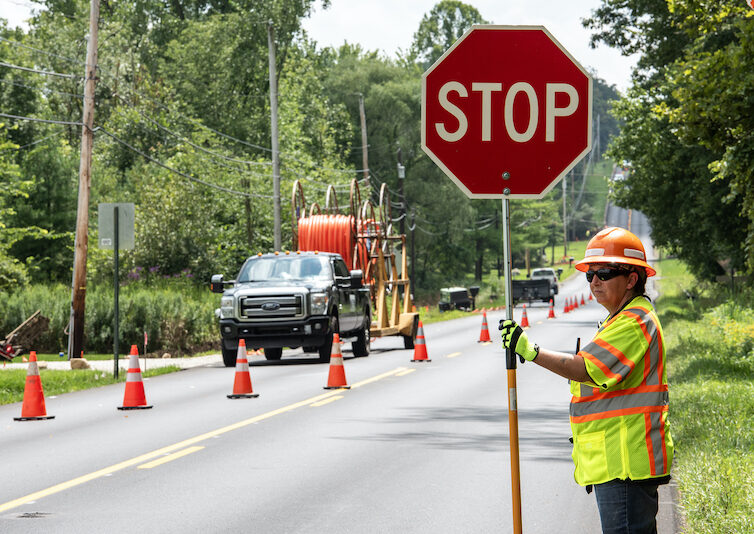
When traffic backs up, devices shift, access points change or underground utility conditions do not match what crews expected, the safest response is to pause, communicate and reset the work zone before risk builds.
Those tools make conditions more visible, but they do not make the safety decision. A queue warning system may show traffic backing up, but someone still has to decide whether the setup needs to be adjusted. An intrusion alert may warn the crew, but leaders still need to ask whether the buffer, taper, signage or driver messaging needs to change. A connected device may show that a cone line shifted, but someone must still send a crew to reset it.
The value is in what crews and leaders do with that information to communicate changes and prevent the same risks from showing up again.
Moving safety forward
A strong safety culture cannot eliminate every work zone hazard, but it helps crews recognize them sooner and respond faster. It also gives workers a voice and supervisors a reason to reset the plan while helping organizations learn from near misses instead of paying the price of a serious incident.
Those steps are strongest when they are backed by the habits crews should practice every day: planning the work, watching the field, speaking up, resetting when needed and protecting the people working in and around live traffic.
Learn more about safer work zone management at awpsafety.com.
This article was written by:

Michelle Marsh
Senior Vice President of EHS at AWP Safety, where she leads environmental, health and safety strategy across the company’s field operations. With more than 25 years of EHS leadership experience, she focuses on building safety systems that help frontline teams recognize risk, strengthen accountability and protect workers in complex, active work environments. Her background includes leading large-scale safety programs across utility, infrastructure and field-service operations.