
Walk a Mile in My Shoes:
Dig with Care, Build with Purpose
Understanding the challenges between excavators, locators, and facility owners — and how stronger communication can prevent damage and keep communities safe.

Communication failures don’t just cause frustration—they cause damage, delay, and danger. In the damage prevention sector, where excavators, locators, and facility owners must work in sync, even small missteps can lead to serious consequences. Strikes to underground facilities disrupt critical services, create costly repairs, and, most importantly, put communities at risk.
Yet, despite the shared goal of safety, communication gaps remain one of the industry’s most persistent challenges. This article explores the struggles, causes, and consequences of miscommunication while highlighting strategies and mindsets that can bridge the divide.
The Human Element of Miscommunication
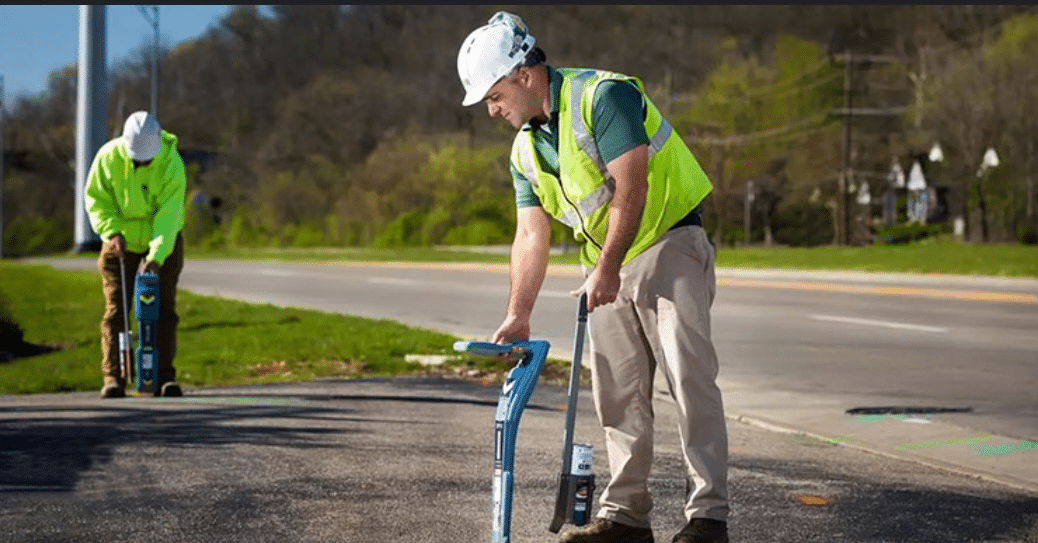
Imagine walking a mile in the shoes of an excavator, a locator, or a facility owner. Each role carries unique pressures and responsibilities:
These perspectives underscore that no party operates in isolation. Miscommunication between even two links in the chain can ripple outward, increasing risks for everyone involved.
Why Communication Breaks Down
Several recurring factors contribute to these gaps:

The High Cost of Miscommunication
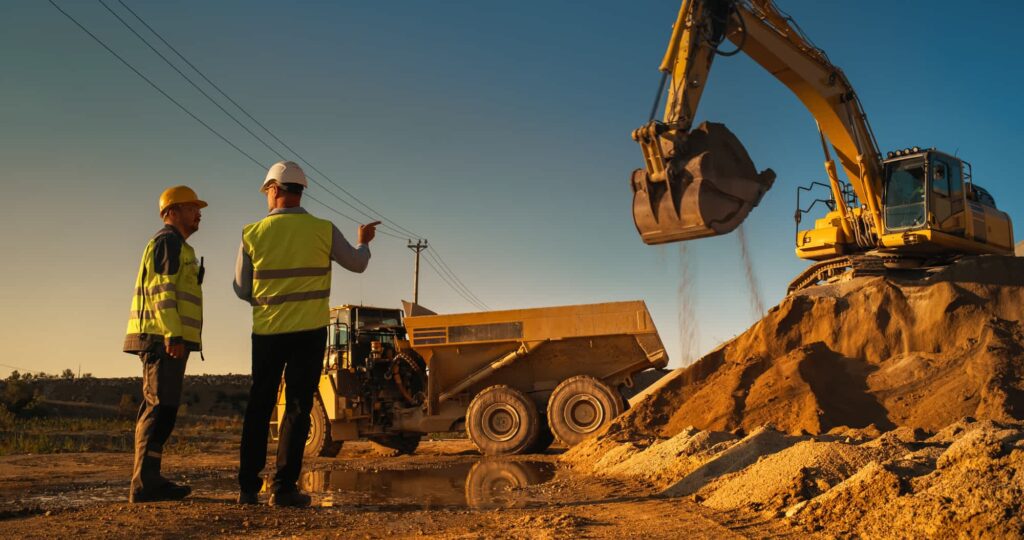
When communication falters, the consequences are significant:
Pathways Forward: Strengthening Communication
Closing the gap requires a combination of technical solutions and cultural change. Steps include:


Lessons from the Field
Real-world examples illustrate both the risks and opportunities:
These cases show that progress is possible when the industry embraces both accountability and innovation.
Building a Culture of Critical and Analytical Thinking
While tools and procedures are vital, long-term progress depends on mindset. Critical and analytical thinking provide the foundation for safer, more effective communication.

Together, these approaches shift the culture from reactive problem-solving to proactive risk reduction.
Conclusion
Improving communication in damage prevention is not just about reducing strikes—it is about protecting communities, reducing costs, and ensuring a safer, more efficient future. By walking in each other’s shoes, adopting standardized practices, embracing technology, and fostering a culture of critical and analytical thinking, we can dig with care and build with purpose.
This article was written by:
Steven Hill, Owner/Operator, United Ally Utility Solutions
stevenhill@unitedallyutilitysolutions.com
unitedallyutilitysolutions.com